
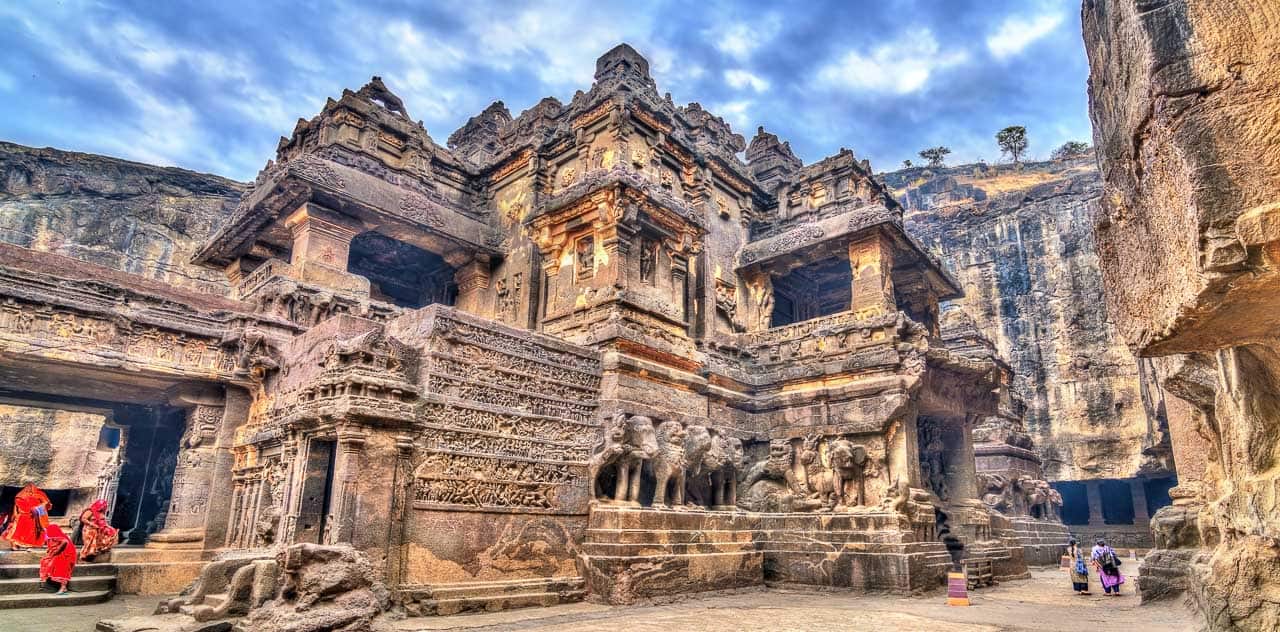
Discover the mesmerizing rock-cut wonders of Ajanta and Ellora Caves.
Introduction
The Ajanta and Ellora Caves are a collection of rock-cut cave temples located in the state of Maharashtra, India. These caves are renowned for their exquisite architecture, intricate carvings, and stunning paintings. Dating back to the 2nd century BCE, these caves serve as a testament to the rich cultural and artistic heritage of ancient India. The Ajanta Caves primarily showcase Buddhist art, while the Ellora Caves feature a mix of Buddhist, Hindu, and Jain art. These rock-cut wonders attract visitors from all over the world, offering a glimpse into the artistic brilliance of the past.
History and Significance of the Ajanta and Ellora Caves
The Ajanta and Ellora Caves are two of the most remarkable rock-cut cave complexes in India. Located in the state of Maharashtra, these caves are a testament to the rich history and cultural heritage of the region. The caves are renowned for their exquisite rock-cut sculptures, paintings, and architectural marvels, which have captivated visitors for centuries.
The history of the Ajanta and Ellora Caves dates back to the 2nd century BCE, during the reign of the Satavahana dynasty. These caves were initially used by Buddhist monks as retreats and meditation centers. Over the centuries, more caves were added, and the complex grew in size and significance. The caves were carved out of solid rock using simple tools like chisels and hammers, a testament to the skill and craftsmanship of the artisans who created them.
The Ajanta Caves, a UNESCO World Heritage Site, are a collection of 30 rock-cut caves. These caves are famous for their stunning paintings, which depict scenes from the life of Buddha and various Buddhist legends. The paintings are executed in a vibrant and detailed style, with intricate brushwork and a rich color palette. These paintings provide valuable insights into the religious and cultural practices of ancient India.
The Ellora Caves, also a UNESCO World Heritage Site, are a complex of 34 rock-cut caves. Unlike the Ajanta Caves, which are predominantly Buddhist, the Ellora Caves showcase a harmonious blend of Buddhist, Hindu, and Jain art and architecture. These caves were created over a span of five centuries, from the 5th to the 10th century CE, and represent a remarkable synthesis of different religious traditions.
The significance of the Ajanta and Ellora Caves extends beyond their artistic and architectural value. These caves are important historical and cultural landmarks that shed light on the religious and social fabric of ancient India. They provide a glimpse into the lives of the people who lived during that time, their beliefs, and their artistic sensibilities.
The Ajanta and Ellora Caves also played a crucial role in the spread of Buddhism, Hinduism, and Jainism. These caves served as centers of religious and intellectual activity, attracting scholars, monks, and pilgrims from far and wide. The sculptures and paintings in these caves served as visual aids for teaching and propagating religious doctrines.
Over the centuries, the Ajanta and Ellora Caves fell into obscurity and were eventually abandoned. It was not until the 19th century that they were rediscovered by British colonial officers. Since then, these caves have been meticulously restored and preserved, allowing visitors to experience the grandeur and beauty of ancient Indian art and architecture.
Today, the Ajanta and Ellora Caves continue to attract tourists and scholars from around the world. They are a testament to the rich cultural heritage of India and serve as a reminder of the artistic achievements of our ancestors. These caves are not just rock-cut wonders; they are living testaments to the ingenuity and creativity of the human spirit. As we explore these caves, we are transported back in time, to an era of artistic brilliance and spiritual enlightenment.
Architectural Marvels: Exploring the Rock-Cut Structures
The Ajanta and Ellora Caves are two of the most remarkable rock-cut structures in India. These architectural marvels have captivated visitors for centuries with their intricate carvings and stunning artwork. The caves, located in the state of Maharashtra, are a testament to the skill and creativity of ancient Indian craftsmen.
The Ajanta Caves, a UNESCO World Heritage Site, are a series of 30 rock-cut Buddhist cave monuments. These caves were carved out of the volcanic rock of the Deccan plateau between the 2nd century BCE and 6th century CE. The caves are known for their exquisite paintings, which depict scenes from the life of Buddha and various Buddhist deities. The paintings, done in vibrant colors, have survived for over two thousand years and are considered masterpieces of Indian art.
The Ellora Caves, also a UNESCO World Heritage Site, are a complex of 34 rock-cut temples dedicated to Buddhism, Hinduism, and Jainism. These caves were excavated between the 6th and 10th centuries CE and showcase the religious harmony that prevailed in ancient India. The most famous cave at Ellora is the Kailash Temple, dedicated to Lord Shiva. This temple is the largest monolithic structure in the world and is a stunning example of rock-cut architecture.
Both the Ajanta and Ellora Caves are remarkable for their architectural design and engineering. The caves were carved entirely by hand, using simple tools like chisels and hammers. The craftsmen had to carefully remove the rock to create intricate sculptures and carvings without causing the entire structure to collapse. The precision and skill required for such a task are truly awe-inspiring.
The caves also serve as a window into the religious and cultural history of ancient India. The paintings and sculptures found in these caves provide valuable insights into the beliefs and practices of the people who lived during that time. They offer a glimpse into the rich tapestry of Indian mythology and spirituality.
Visiting the Ajanta and Ellora Caves is a journey back in time. As you explore the dark interiors of the caves, you can’t help but be amazed by the sheer scale and beauty of the rock-cut structures. The play of light and shadow on the intricately carved walls creates a mesmerizing effect. It’s as if the walls themselves are alive, telling stories of a bygone era.
The Ajanta and Ellora Caves are not just architectural wonders; they are also important pilgrimage sites for Buddhists, Hindus, and Jains. Devotees from all over the world come to these caves to pay their respects and seek spiritual solace. The caves have a serene and peaceful atmosphere that is conducive to meditation and introspection.
In conclusion, the Ajanta and Ellora Caves are true marvels of rock-cut architecture. These ancient structures are a testament to the skill and creativity of the craftsmen who carved them. They offer a glimpse into the rich cultural and religious history of ancient India. Visiting these caves is a truly awe-inspiring experience that should not be missed.
The Intricate Cave Paintings of Ajanta: A Glimpse into Ancient Art
The Ajanta and Ellora Caves, located in the Aurangabad district of Maharashtra, India, are a testament to the rich cultural heritage of the country. These rock-cut wonders, dating back to the 2nd century BCE, are not only architectural marvels but also house some of the most intricate and awe-inspiring cave paintings in the world. In this section, we will delve into the intricate cave paintings of Ajanta, offering a glimpse into the ancient art that has captivated historians and art enthusiasts for centuries.
The Ajanta Caves, a UNESCO World Heritage Site, consist of 30 rock-cut Buddhist cave monuments. These caves were carved out of the volcanic rock of the Deccan plateau, and their walls and ceilings are adorned with exquisite paintings that depict various scenes from the life of Buddha, as well as stories from Jataka tales. The paintings, executed in a vibrant color palette, showcase the artistic prowess of the ancient Indian craftsmen.
One of the most remarkable aspects of the Ajanta cave paintings is their level of detail and precision. The artists used natural pigments derived from minerals and plants to create their masterpieces. The colors have stood the test of time, retaining their brilliance even after centuries of exposure to the elements. The intricate brushwork and delicate shading techniques employed by the artists bring the paintings to life, making them appear almost three-dimensional.
The themes depicted in the Ajanta cave paintings range from religious and mythological narratives to scenes of everyday life. The artists skillfully captured the emotions and expressions of the characters, infusing the paintings with a sense of realism and depth. The use of light and shadow further enhances the dramatic effect, creating a captivating visual experience for the viewer.
The Ajanta cave paintings also provide valuable insights into the social and cultural milieu of ancient India. They depict scenes of courtly life, royal processions, and even scenes from the lives of common people. These paintings serve as a window into the past, offering a glimpse into the customs, traditions, and beliefs of the people who inhabited the region centuries ago.
The preservation of the Ajanta cave paintings has been a challenging task. Over the years, the caves have been subjected to natural decay, as well as human interference. However, efforts have been made to protect and restore these invaluable artworks. Conservationists and archaeologists have employed advanced techniques to stabilize the caves and prevent further deterioration. The use of non-invasive methods, such as laser scanning and digital imaging, has allowed for the documentation and analysis of the paintings without causing any harm to the original artwork.
In conclusion, the intricate cave paintings of Ajanta offer a glimpse into the ancient art of India. These masterpieces, with their vibrant colors, meticulous detailing, and captivating narratives, continue to inspire and awe visitors from around the world. The preservation and restoration efforts undertaken to safeguard these paintings ensure that future generations can appreciate and learn from these rock-cut wonders. The Ajanta Caves stand as a testament to the artistic genius of ancient India and serve as a reminder of the rich cultural heritage that continues to thrive in the country.
Religious and Spiritual Significance of the Caves
The Ajanta and Ellora Caves are renowned for their religious and spiritual significance. These rock-cut wonders, located in the state of Maharashtra, India, are a testament to the rich cultural heritage of the region. The caves, carved out of solid rock, showcase exquisite sculptures and paintings that depict various aspects of Hinduism, Buddhism, and Jainism.
The religious significance of the Ajanta and Ellora Caves lies in their association with ancient Indian religions. Hinduism, the oldest religion in the world, is prominently represented in these caves. The sculptures and paintings depict Hindu deities such as Shiva, Vishnu, and Devi, as well as scenes from Hindu epics like the Ramayana and Mahabharata. These depictions serve as a visual representation of the Hindu mythology and provide a deeper understanding of the religion.
Buddhism, which originated in India and later spread to other parts of Asia, also finds its place in the Ajanta and Ellora Caves. The caves house several Buddhist monasteries and chaityas (prayer halls) that were used by monks for meditation and worship. The walls of these caves are adorned with intricate paintings that depict the life and teachings of Gautama Buddha. These paintings not only serve as a visual narrative of the Buddha’s life but also provide a spiritual experience for visitors.
Jainism, another ancient Indian religion, is also represented in the Ajanta and Ellora Caves. The caves feature sculptures and paintings of Jain Tirthankaras, the spiritual leaders of Jainism. These depictions showcase the principles of non-violence, truth, and asceticism that are central to Jain philosophy. The presence of Jain art in these caves highlights the religious diversity of ancient India and the coexistence of different faiths.
The spiritual significance of the Ajanta and Ellora Caves lies in their role as places of worship and pilgrimage. For centuries, these caves have attracted devotees and seekers of spiritual enlightenment. The serene atmosphere, coupled with the awe-inspiring art, creates a sense of tranquility and reverence. Many visitors come to these caves to meditate, seek blessings, or simply immerse themselves in the divine energy that permeates the surroundings.
The caves also serve as a source of inspiration for artists, scholars, and spiritual seekers. The intricate carvings and paintings are not only aesthetically pleasing but also convey profound spiritual messages. The art in these caves reflects the devotion and dedication of the artists who created them, as well as the spiritual beliefs and values of the time. The caves continue to inspire and captivate people from all walks of life, transcending religious boundaries.
In conclusion, the Ajanta and Ellora Caves hold immense religious and spiritual significance. They are a testament to the rich cultural heritage of India and serve as a visual representation of Hinduism, Buddhism, and Jainism. These rock-cut wonders continue to inspire and captivate visitors with their exquisite sculptures and paintings. Whether one is a devotee, an artist, or a seeker of spiritual enlightenment, the Ajanta and Ellora Caves offer a profound and transformative experience.
Tips for Exploring the Ajanta and Ellora Caves: What to Know Before You Go
The Ajanta and Ellora Caves are two of India’s most remarkable archaeological sites. Located in the state of Maharashtra, these rock-cut wonders are a testament to the skill and artistry of ancient Indian craftsmen. Exploring these caves can be an awe-inspiring experience, but it’s important to be prepared before you go.
First and foremost, it’s essential to understand the historical significance of these caves. The Ajanta Caves, dating back to the 2nd century BCE, are a UNESCO World Heritage Site and are renowned for their exquisite Buddhist paintings and sculptures. The Ellora Caves, on the other hand, are a complex of 34 caves that span a period of over 500 years, from the 6th to the 10th century CE. These caves are a unique blend of Buddhist, Hindu, and Jain art and architecture.
When planning your visit, it’s crucial to consider the best time to go. The caves can get crowded, especially during peak tourist seasons, so it’s advisable to visit during the off-peak months. The weather can also play a significant role in your experience, as the caves can get hot and humid during the summer months. It’s best to plan your visit during the cooler months of October to February.
Before you embark on your journey, make sure to gather all the necessary information about the caves. There are several guidebooks and online resources available that provide detailed information about the history, significance, and layout of the caves. Familiarize yourself with the different caves and their unique features, so you can make the most of your visit.
Once you arrive at the caves, it’s important to be prepared for a fair amount of walking and climbing. The caves are spread out over a vast area, and some of them require climbing steep steps. Wearing comfortable shoes and carrying a water bottle are essential. It’s also advisable to carry a hat and sunscreen, as some parts of the caves are exposed to the sun.
While exploring the caves, it’s crucial to be respectful of the cultural and historical significance of the site. The caves are sacred to Buddhists, Hindus, and Jains, and it’s important to dress modestly and behave respectfully. Photography is allowed in most parts of the caves, but it’s important to be mindful of other visitors and not to disturb the serene atmosphere.
To make the most of your visit, consider hiring a local guide. They can provide valuable insights into the history and significance of the caves, as well as point out hidden details that you might otherwise miss. A guide can also help you navigate the complex layout of the caves and ensure that you don’t miss any of the highlights.
Finally, take your time to soak in the beauty and grandeur of these rock-cut wonders. The intricate carvings, vibrant paintings, and serene atmosphere of the caves are truly awe-inspiring. Take a moment to sit quietly and appreciate the craftsmanship and devotion that went into creating these masterpieces.
In conclusion, exploring the Ajanta and Ellora Caves is a once-in-a-lifetime experience. By being prepared and respectful, you can make the most of your visit and truly appreciate the historical and cultural significance of these rock-cut wonders. So, pack your bags, gather your information, and get ready to embark on a journey through time and artistry.
Q&A
1. Where are the Ajanta and Ellora Caves located?
The Ajanta and Ellora Caves are located in the state of Maharashtra, India.
2. How were the Ajanta and Ellora Caves created?
The caves were created by cutting into the volcanic basalt rock using only hammers and chisels.
3. When were the Ajanta and Ellora Caves built?
The Ajanta Caves were built between the 2nd century BCE and 6th century CE, while the Ellora Caves were constructed between the 6th and 10th centuries CE.
4. What is the significance of the Ajanta and Ellora Caves?
The caves are renowned for their exquisite rock-cut architecture and intricate sculptures, showcasing the rich cultural and artistic heritage of ancient India.
5. Are the Ajanta and Ellora Caves UNESCO World Heritage Sites?
Yes, both the Ajanta and Ellora Caves are designated as UNESCO World Heritage Sites, recognized for their outstanding universal value and historical importance.