
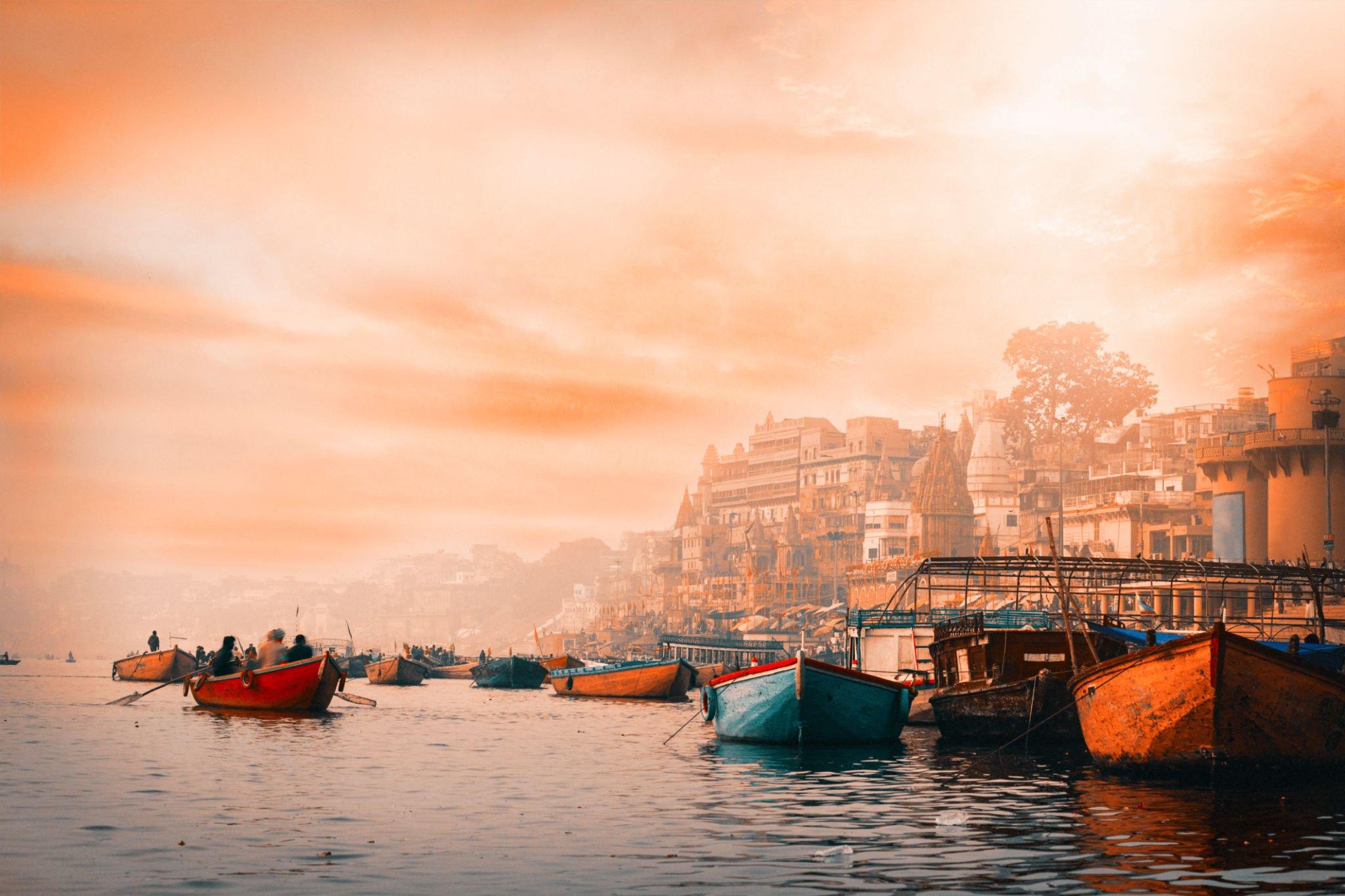
Mystical Varanasi: Where Spirituality Meets the Ganges
Introduction
Varanasi, also known as Kashi or Banaras, is a city in northern India that holds immense spiritual significance for Hindus. Situated on the banks of the sacred Ganges River, Varanasi is considered one of the oldest continuously inhabited cities in the world. It is believed to be the abode of Lord Shiva, the Hindu god of destruction and transformation. Varanasi is renowned for its mystical aura, ancient temples, and vibrant spiritual practices. Pilgrims from all over the world flock to this holy city to seek spiritual enlightenment, perform rituals, and experience the divine energy that permeates its streets. In Varanasi, spirituality truly meets the Ganges, creating a unique and enchanting atmosphere that captivates visitors and leaves a lasting impression.
The Spiritual Significance of Varanasi: Exploring the Sacredness of the City
Varanasi, also known as Kashi or Benares, is a city in northern India that holds immense spiritual significance for Hindus. Situated on the banks of the sacred Ganges River, Varanasi is believed to be one of the oldest inhabited cities in the world. Its rich history and deep-rooted spirituality make it a magnet for pilgrims and seekers of enlightenment.
The spiritual significance of Varanasi can be traced back thousands of years. According to Hindu mythology, Lord Shiva, the destroyer and transformer of the universe, is said to have made Varanasi his abode. It is believed that a dip in the holy Ganges River in Varanasi can wash away one’s sins and lead to salvation. This belief has attracted millions of devotees to the city over the centuries.
The city is dotted with numerous ghats, which are steps leading down to the river. These ghats serve as important sites for religious rituals and ceremonies. The most famous of these is the Dashashwamedh Ghat, where the Ganga Aarti, a mesmerizing ritual of worship, is performed every evening. Devotees gather on the steps, offering prayers and floating diyas (oil lamps) on the river, creating a breathtaking spectacle of lights and devotion.
Varanasi is also home to numerous temples, each with its own unique significance. The Kashi Vishwanath Temple, dedicated to Lord Shiva, is one of the most revered temples in the city. It is believed that a visit to this temple can grant liberation from the cycle of birth and death. The Sankat Mochan Hanuman Temple, dedicated to Lord Hanuman, is another important pilgrimage site. Devotees flock to this temple to seek blessings and protection from obstacles in their lives.
Apart from its religious significance, Varanasi is also known for its association with spirituality and mysticism. The city has been a center for learning and philosophy for centuries. It is said that the great spiritual teacher, Gautama Buddha, gave his first sermon in Varanasi after attaining enlightenment. The city has also been a hub for scholars and philosophers, attracting seekers from all over the world.
The narrow lanes of Varanasi are filled with ashrams and meditation centers, offering seekers a chance to delve deeper into their spiritual journey. These centers provide a serene and peaceful environment for meditation and self-reflection. Many visitors come to Varanasi seeking spiritual guidance and enlightenment, hoping to find answers to life’s profound questions.
The spiritual significance of Varanasi extends beyond its religious and philosophical aspects. The city is also known for its belief in the cycle of life and death. The cremation ghats, such as Manikarnika and Harishchandra, are where the deceased are cremated according to Hindu rituals. It is believed that dying in Varanasi and having one’s ashes scattered in the Ganges can lead to moksha, liberation from the cycle of rebirth.
In conclusion, Varanasi is a city that holds immense spiritual significance for Hindus and seekers of enlightenment. Its association with Lord Shiva, the rituals performed on the ghats, and the presence of numerous temples make it a sacred place for devotees. The city’s rich history, association with spirituality and mysticism, and belief in the cycle of life and death make it a unique and captivating destination for those seeking a deeper connection with the divine. Varanasi truly is a place where spirituality meets the Ganges.
Unveiling the Mysteries of Varanasi: A Journey into its Ancient Traditions
Varanasi, also known as Kashi or Benares, is a city that has captivated the hearts and minds of travelers for centuries. Nestled on the banks of the sacred Ganges River in northern India, Varanasi is a place where spirituality and mysticism intertwine, creating an atmosphere unlike any other. In this article, we will delve into the ancient traditions of Varanasi, unveiling the mysteries that lie within this enchanting city.
One of the most striking aspects of Varanasi is its rich religious heritage. The city is considered one of the holiest places in Hinduism and is believed to be the abode of Lord Shiva, the god of destruction and transformation. Pilgrims from all over India flock to Varanasi to seek spiritual solace and perform rituals that are said to cleanse the soul.
The ghats, or steps leading down to the river, are the epicenter of religious activity in Varanasi. There are over 80 ghats along the Ganges, each with its own significance and purpose. The Dashashwamedh Ghat, the main ghat in Varanasi, is where the famous Ganga Aarti ceremony takes place every evening. This mesmerizing ritual involves priests offering prayers and lighting oil lamps, while devotees gather to witness the spectacle and offer their own prayers to the river.
As the sun sets over the Ganges, the air becomes thick with spirituality. The sound of bells, chants, and the fragrance of incense fill the atmosphere, creating an otherworldly experience. It is believed that bathing in the holy waters of the Ganges at Varanasi can wash away sins and grant liberation from the cycle of birth and death. Pilgrims immerse themselves in the river, seeking purification and spiritual enlightenment.
Varanasi is also renowned for its ancient traditions of music and dance. The city has been a hub of classical music and dance for centuries, with renowned musicians and dancers flocking to Varanasi to learn and perform. The Sankat Mochan Music Festival, held annually in Varanasi, attracts artists from all over the world, showcasing the rich cultural heritage of the city.
Another intriguing aspect of Varanasi is its association with death and the afterlife. The Manikarnika Ghat, also known as the burning ghat, is where cremations take place round the clock. It is believed that dying in Varanasi and being cremated at the Manikarnika Ghat ensures liberation from the cycle of rebirth. The sight of funeral pyres burning and ashes being scattered into the Ganges is a stark reminder of the impermanence of life and the belief in the eternal soul.
Exploring the narrow lanes and alleys of Varanasi is like stepping back in time. The city is a labyrinth of ancient temples, bustling markets, and hidden courtyards. The Kashi Vishwanath Temple, dedicated to Lord Shiva, is one of the most revered temples in Varanasi. Devotees throng the temple, offering prayers and seeking blessings from the deity.
Varanasi is a city that embraces spirituality in every aspect of life. From the early morning rituals on the ghats to the evening aarti ceremonies, the city pulsates with a divine energy that is palpable. It is a place where the boundaries between the physical and the metaphysical blur, and where one can truly experience the mystical and the sacred.
In conclusion, Varanasi is a city that holds within its ancient traditions a deep sense of spirituality and mysticism. From the ghats along the Ganges to the temples and rituals, every aspect of Varanasi is steeped in religious fervor. It is a place where one can embark on a journey of self-discovery and connect with the divine. Varanasi truly is a testament to the enduring power of faith and the eternal quest for spiritual enlightenment.
The Ghats of Varanasi: Witnessing the Spiritual Rituals Along the Ganges
Varanasi, also known as Kashi, is a city in northern India that holds immense spiritual significance for Hindus. Situated on the banks of the sacred Ganges River, Varanasi is believed to be one of the oldest inhabited cities in the world. It is a place where spirituality and daily life intertwine, and where the rituals and traditions of Hinduism are carried out with great fervor.
One of the most captivating aspects of Varanasi is its ghats, the series of steps leading down to the river. These ghats serve as gathering places for pilgrims and locals alike, and are the epicenter of spiritual activity in the city. Each ghat has its own unique atmosphere and purpose, making a visit to Varanasi’s ghats a truly mesmerizing experience.
The Dashashwamedh Ghat is perhaps the most famous and bustling of all the ghats. It is here that the Ganga Aarti, a daily ritual worshiping the river, takes place. As the sun sets, priests clad in vibrant saffron robes perform a choreographed ceremony, accompanied by the rhythmic chanting of mantras and the sound of bells. The atmosphere is electric, as devotees and tourists alike gather to witness this awe-inspiring spectacle.
Another significant ghat is the Manikarnika Ghat, also known as the burning ghat. This is where cremations take place, as Hindus believe that being cremated in Varanasi and having their ashes scattered in the Ganges will liberate them from the cycle of birth and death. The sight of funeral pyres burning day and night is a stark reminder of the impermanence of life and the belief in the eternal nature of the soul.
As one walks along the ghats, the senses are overwhelmed by the sights, sounds, and smells that permeate the air. The constant flow of people, the ringing of temple bells, and the aroma of incense create an otherworldly ambiance. It is easy to get lost in the labyrinthine alleys that lead from one ghat to another, each offering a glimpse into the daily lives of the people who call Varanasi home.
The ghats of Varanasi are not just places of religious significance; they are also centers of learning and spirituality. Many renowned scholars and gurus have made Varanasi their home, attracting seekers from all over the world. The city is dotted with ashrams and temples, where one can immerse themselves in the teachings of ancient scriptures and engage in deep introspection.
For those seeking a more immersive experience, a boat ride along the Ganges is a must. From the vantage point of the river, one can witness the ghats in all their glory, as well as the daily activities that unfold along its banks. From devotees taking a holy dip in the river to children flying kites against the backdrop of ancient temples, the scenes that unfold are a testament to the vibrant tapestry of life in Varanasi.
In conclusion, the ghats of Varanasi are a testament to the deep-rooted spirituality and rich cultural heritage of the city. They offer a glimpse into the rituals and traditions that have been carried out for centuries, and provide a space for introspection and contemplation. A visit to Varanasi’s ghats is an experience that will leave a lasting impression, as one witnesses the convergence of spirituality and the mighty Ganges River.
Varanasi’s Temples: Discovering the Divine Abodes in the Holy City
Varanasi, also known as Kashi or Benares, is a city in northern India that holds immense spiritual significance for Hindus. Situated on the banks of the sacred Ganges River, Varanasi is believed to be one of the oldest inhabited cities in the world. It is a place where spirituality meets the flowing waters of the Ganges, and where devotees come to seek solace and enlightenment.
One of the most captivating aspects of Varanasi is its numerous temples, which are scattered throughout the city. These temples are not just places of worship, but also architectural marvels that showcase the rich cultural heritage of the region. Each temple has its own unique history and significance, making a visit to Varanasi a truly divine experience.
One of the most famous temples in Varanasi is the Kashi Vishwanath Temple, dedicated to Lord Shiva. This temple is considered one of the holiest in Hinduism and attracts millions of devotees every year. The temple complex is a sprawling structure with several smaller shrines dedicated to various deities. The main sanctum houses the lingam, a representation of Lord Shiva, and is believed to be one of the twelve Jyotirlingas, or pillars of light, in India. The Kashi Vishwanath Temple is a must-visit for anyone seeking spiritual solace in Varanasi.
Another prominent temple in Varanasi is the Sankat Mochan Hanuman Temple. Dedicated to Lord Hanuman, the monkey god, this temple is believed to fulfill the wishes of its devotees. The temple is located in a serene and peaceful setting, away from the hustle and bustle of the city. It is a place where devotees can meditate and seek blessings from Lord Hanuman. The Sankat Mochan Hanuman Temple is known for its evening aarti, a religious ritual where lamps are lit and devotional songs are sung. The aarti creates a mesmerizing atmosphere, filling the air with spirituality and devotion.
One cannot talk about Varanasi’s temples without mentioning the Durga Temple. Dedicated to Goddess Durga, this temple is a symbol of feminine power and strength. The temple is known for its unique architecture, with intricate carvings and sculptures adorning its walls. Devotees flock to the Durga Temple to seek the blessings of the goddess and to witness the grandeur of the temple. The temple is particularly crowded during the Navratri festival, a nine-night celebration dedicated to Goddess Durga.
Apart from these famous temples, Varanasi is also home to numerous other smaller temples, each with its own significance. The Tulsi Manas Temple, the Bharat Mata Temple, and the Kal Bhairav Temple are just a few examples of the many temples that dot the city. Exploring these temples is like embarking on a spiritual journey, where one can witness the devotion and faith of the people of Varanasi.
In conclusion, Varanasi’s temples are not just places of worship, but also windows into the rich spiritual heritage of the city. They are a testament to the deep-rooted faith and devotion of the people of Varanasi. A visit to these temples is a transformative experience, where one can connect with the divine and find solace in the mystical atmosphere of Varanasi. So, if you are seeking a spiritual awakening, Varanasi’s temples are waiting to welcome you with open arms.
Exploring Varanasi’s Cultural Tapestry: Art, Music, and Dance in the Spiritual Capital
Varanasi, also known as Kashi or Banaras, is a city in northern India that holds a special place in the hearts of millions of Hindus. It is considered one of the oldest inhabited cities in the world and is renowned for its spiritual significance. Varanasi is situated on the banks of the sacred Ganges River, which is believed to have the power to cleanse one’s sins and grant salvation. This mystical city is not only a hub of spirituality but also a vibrant center for art, music, and dance.
Art has always played a significant role in the cultural tapestry of Varanasi. The city is known for its exquisite silk weaving, which has been a traditional craft for centuries. The Banarasi silk sarees, with their intricate designs and vibrant colors, are highly sought after by women across the country. The weavers of Varanasi are known for their skill and attention to detail, and their creations are considered a symbol of elegance and luxury.
In addition to silk weaving, Varanasi is also famous for its rich tradition of painting. The city has been a center for various art forms, including the famous Banaras School of Painting. This school is known for its unique style, which combines elements of Mughal and Hindu art. The paintings often depict scenes from Hindu mythology and are characterized by their vibrant colors and intricate detailing. Many art galleries in Varanasi showcase these beautiful paintings, allowing visitors to immerse themselves in the city’s artistic heritage.
Music is another integral part of Varanasi’s cultural fabric. The city has been a center for classical music for centuries and is considered the birthplace of many renowned musicians and composers. The famous Varanasi Gharana, a school of classical music, has produced some of the finest musicians in the country. The city is also known for its vibrant folk music traditions, with musicians often performing on the ghats (steps leading to the river) during religious ceremonies and festivals. The soul-stirring melodies and rhythmic beats of Varanasi’s music create an enchanting atmosphere that resonates with the city’s spiritual aura.
Dance is yet another form of artistic expression that thrives in Varanasi. The city is known for its classical dance forms, such as Kathak and Bharatanatyam. Kathak, in particular, has a strong presence in Varanasi, with many renowned Kathak dancers hailing from the city. The graceful movements and intricate footwork of these dancers mesmerize audiences and transport them to a world of beauty and grace. Varanasi also hosts various dance festivals and competitions, attracting dancers from all over the country and providing a platform for them to showcase their talent.
In conclusion, Varanasi is not only a spiritual capital but also a vibrant center for art, music, and dance. The city’s cultural tapestry is woven with the threads of silk, painted with the colors of tradition, and set to the rhythm of soul-stirring melodies. From the intricate silk weavings to the vibrant paintings, from the classical music to the graceful dance forms, Varanasi’s artistic heritage is a testament to the city’s rich cultural legacy. Exploring Varanasi’s art, music, and dance scene is a journey that takes one deep into the heart of this mystical city, where spirituality meets the Ganges.
Q&A
1. What is Varanasi known for?
Varanasi is known for its spirituality and its location on the banks of the Ganges River.
2. Why is Varanasi considered a mystical city?
Varanasi is considered mystical due to its deep-rooted spiritual traditions, ancient temples, and the belief that it is a place where one can attain spiritual liberation.
3. What is the significance of the Ganges River in Varanasi?
The Ganges River is considered sacred in Varanasi and holds great religious significance. It is believed that bathing in the river can cleanse one’s sins and lead to spiritual purification.
4. What are some popular spiritual practices in Varanasi?
Some popular spiritual practices in Varanasi include yoga, meditation, chanting of mantras, and participating in religious rituals and ceremonies.
5. Are there any specific rituals or festivals celebrated in Varanasi?
Yes, Varanasi is known for its vibrant festivals and rituals. The Ganga Aarti, a daily evening ritual performed on the banks of the Ganges, is particularly famous. Other important festivals celebrated in Varanasi include Diwali, Holi, and Maha Shivaratri.