
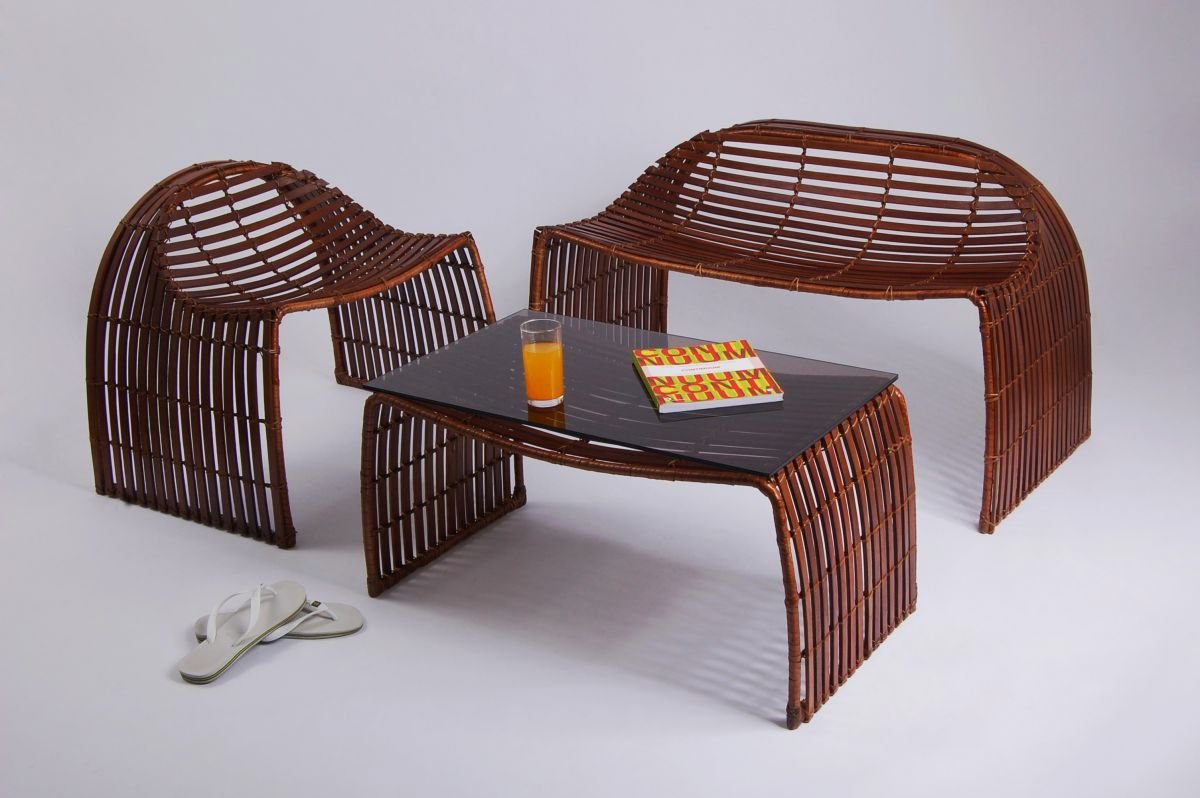
In the contemporary world, sustainability has emerged as a guiding principle across various industries, and interior design is no exception. As people become increasingly conscious of their environmental footprint, the demand for sustainable furniture has surged. This shift towards eco-friendly options isn’t merely a trend but a significant revolution in interior design, shaping the way spaces are adorned and experienced. Let’s delve into how sustainable furniture is transforming interior design landscapes, offering not just aesthetic appeal but also environmental responsibility and social consciousness.
Understanding Sustainable Furniture:
Sustainable furniture, often referred to as eco-friendly or green furniture, encompasses products made from responsibly sourced materials, manufactured using environmentally friendly processes, and designed for longevity. Unlike conventional furniture, which often relies on non-renewable resources and generates considerable waste, sustainable furniture prioritizes the planet’s well-being without compromising on style or functionality.
Environmental Impact:
One of the primary drivers behind the sustainable furniture revolution is its significantly reduced environmental impact. Conventional furniture production involves the extraction of finite resources, such as timber, and often relies on energy-intensive manufacturing processes. In contrast, sustainable furniture utilizes materials like reclaimed wood, bamboo, recycled metals, and non-toxic finishes, minimizing carbon emissions and conserving natural resources.
Promoting Ethical Practices:
Beyond environmental considerations, sustainable furniture promotes ethical practices throughout the supply chain. This includes fair labor practices, ensuring that workers involved in manufacturing receive fair wages and operate in safe conditions. By supporting companies that prioritize ethical sourcing and production, consumers contribute to a more equitable and socially responsible industry.
Durability and Longevity:
Sustainable furniture is designed to stand the test of time. Unlike mass-produced, disposable furniture that quickly deteriorates, sustainable pieces are crafted with durability in mind. High-quality materials and expert craftsmanship result in furniture that lasts for generations, reducing the need for frequent replacements and minimizing waste.
Versatility and Innovation:
Contrary to the misconception that sustainable furniture lacks variety, the market is teeming with innovative designs and versatile options. From sleek, minimalist pieces to rustic, reclaimed creations, sustainable furniture caters to diverse tastes and preferences. Moreover, designers are continually exploring new materials and techniques, pushing the boundaries of eco-friendly design and challenging conventional notions of interior aesthetics.
Holistic Approach to Design:
The adoption of sustainable furniture signifies a shift towards a more holistic approach to interior design. Rather than focusing solely on aesthetics, designers now consider the broader impact of their choices on the environment and society. This holistic perspective extends beyond individual pieces of furniture to encompass entire spaces, encouraging thoughtful design solutions that prioritize sustainability without sacrificing style.
Educating Consumers:
Central to the sustainable furniture revolution is the role of consumer education. As awareness grows about the environmental and social implications of furniture production, consumers are empowered to make informed choices. Platforms providing transparent information about product origins, materials, and manufacturing processes enable individuals to align their purchasing decisions with their values, driving demand for sustainable alternatives.
Creating Healthy Living Spaces:
Sustainable furniture not only benefits the planet and society but also contributes to creating healthier living spaces. Many conventional furniture products contain harmful chemicals and toxins that off-gas over time, compromising indoor air quality and potentially impacting human health. In contrast, sustainable furniture is often free from hazardous substances, promoting a cleaner, healthier indoor environment for occupants.
Inspiring Change Across Industries:
The influence of sustainable furniture extends beyond the realm of interior design, inspiring change across various industries. As consumers increasingly prioritize sustainability, businesses in sectors ranging from fashion to transportation are reevaluating their practices and embracing eco-friendly alternatives. This ripple effect underscores the transformative power of conscious consumerism and highlights the interconnectedness of global sustainability efforts.
Challenges and Opportunities:
While the sustainable furniture revolution presents immense opportunities for positive change, it also poses certain challenges. These include the need for greater accessibility and affordability of sustainable options, as well as addressing issues related to scalability and supply chain transparency. However, these challenges also serve as catalysts for innovation, driving industry-wide collaborations and prompting creative solutions to pressing sustainability concerns.
Conclusion:
In conclusion, the sustainable furniture revolution is reshaping the landscape of interior design, ushering in a new era of environmental responsibility, ethical practices, and conscious consumption. By prioritizing sustainability, durability, and social consciousness, sustainable furniture not only enhances the aesthetic appeal of spaces but also fosters healthier, more inclusive, and environmentally sustainable communities. As the demand for sustainable alternatives continues to grow, the future of interior design promises to be both beautiful and sustainable, reflecting our collective commitment to creating a better world for generations to come.
Also Read: Friend of The Earth