
Introduction
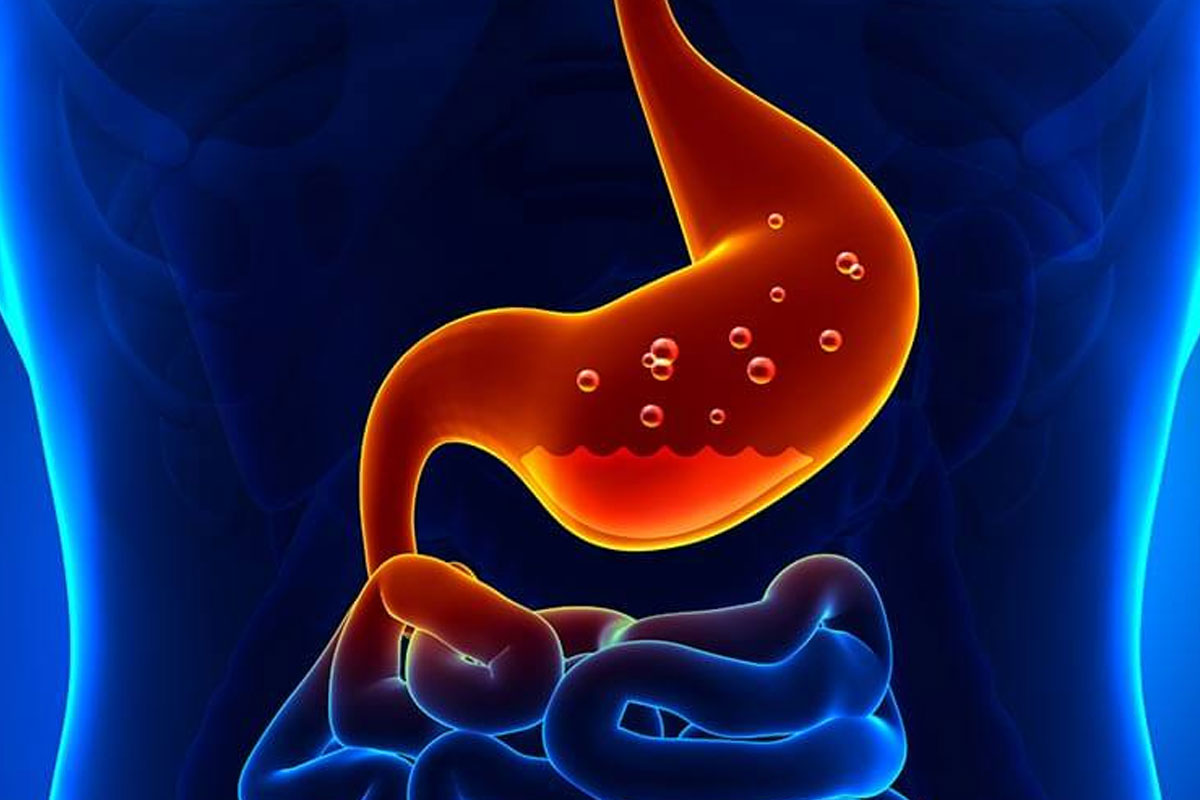
The digestive system is a complex network of organs working in harmony to process the food we consume. Gastric signals, or signals related to the stomach and digestive tract, play a crucial role in indicating the state of our digestive health. This article explores the various gastric signals the body may send, decoding their meanings, and highlighting the importance of paying attention to these warning signs for overall well-being.
The Language of Gastric Signals
- Heartburn and Acid Reflux:
Signal: A burning sensation in the chest, often accompanied by regurgitation.
Possible Causes: Gastroesophageal reflux disease (GERD), hiatal hernia, spicy or acidic foods.
Decoding the Signal: Persistent heartburn may indicate chronic conditions that require medical attention. Lifestyle changes and dietary modifications can often alleviate mild cases.
- Abdominal Pain:
Signal: Sharp or dull pain in the abdomen, varying in intensity and location.
Possible Causes: Indigestion, gas, gastritis, gallstones, or underlying conditions like appendicitis.
Decoding the Signal: The location, duration, and nature of abdominal pain offer clues. Sudden, severe pain may be an emergency, while persistent discomfort may warrant investigation.
- Bloating:
Signal: Feeling full or swollen in the abdomen, often accompanied by gas.
Possible Causes: Overeating, gas, constipation, irritable bowel syndrome (IBS), or underlying gastrointestinal issues.
Decoding the Signal: Occasional bloating is normal, but persistent or severe bloating may indicate an underlying issue. Dietary adjustments and lifestyle changes can often alleviate mild bloating.
- Changes in Bowel Habits:
Signal: Alterations in frequency, consistency, or color of bowel movements.
Possible Causes: Dietary changes, dehydration, infections, or underlying conditions like irritable bowel syndrome (IBS) or inflammatory bowel disease (IBD).
Decoding the Signal: Significant changes in bowel habits, especially if accompanied by pain or blood, warrant attention. Chronic issues may require a thorough evaluation.
- Nausea and Vomiting:
Signal: Feeling the urge to vomit or expelling the contents of the stomach.
Possible Causes: Infections, food poisoning, pregnancy, migraines, or underlying gastrointestinal issues.
Decoding the Signal: Persistent or severe nausea and vomiting may indicate various underlying conditions, including gastrointestinal disorders or systemic issues. Medical evaluation is crucial.
- Unexplained Weight Loss:
Signal: Losing weight without intentional changes in diet or exercise.
Possible Causes: Malabsorption, chronic illnesses, cancers, or thyroid issues.
Decoding the Signal: Unexplained weight loss can be a red flag for various health issues, including digestive disorders or cancer. Prompt medical evaluation is essential.
- Blood in Stool:
Signal: Presence of blood in bowel movements, visible as red or dark-colored stool.
Possible Causes: Hemorrhoids, gastrointestinal bleeding, inflammatory bowel disease (IBD), or colorectal cancer.
Decoding the Signal: Blood in the stool requires immediate attention. While some causes may be benign, others can be serious. Medical evaluation and diagnostic tests are crucial.
When to Seek Medical Attention
While occasional digestive discomfort is common, persistent, severe, or unusual symptoms should not be ignored. Seeking medical attention is essential in the following situations:
Persistent Symptoms: Symptoms that persist for more than a few days without improvement.
Severe Pain: Intense or sharp abdominal pain that is persistent and not alleviated by over-the-counter medications.
Unexplained Weight Loss: Significant weight loss without changes in diet or exercise.
Blood in Stool or Vomit: The presence of blood in stool or vomit, may indicate gastrointestinal bleeding.
Preventive Measures and Healthy Habits
Maintaining digestive health involves adopting preventive measures and healthy habits:
Balanced Diet: A diet rich in fiber, fruits, vegetables, and whole grains supports digestive health.
Hydration: Drinking an adequate amount of water helps prevent constipation and supports overall health.
Regular Exercise: Physical activity aids in digestion and promotes overall well-being.
Limiting Trigger Foods: Identifying and avoiding foods that trigger digestive discomfort, such as spicy or fatty foods.
Moderation in Alcohol and Caffeine: Excessive alcohol and caffeine consumption can irritate the digestive tract. Moderation is key.
Stress Management: Stress can impact digestive health. Adopting stress-reducing techniques like meditation or yoga can be beneficial.
Conclusion
Decoding gastric signals is a crucial aspect of maintaining overall health. Understanding the body’s warning signs allows individuals to address digestive issues proactively and seek timely medical attention when needed.
Prioritizing preventive measures and healthy habits contributes to optimal digestive function, fostering well-being from within. Always consult with healthcare professionals for personalized advice and guidance tailored to individual health needs.